


Clothes rails & wardrobes – Store clothes practically and stylishly
A well-planned wardrobe ensures order and makes clothes quickly accessible. Whether in the hallway, bedroom, or a separate dressing room – with the right clothes rail, jackets, coats, shirts, dresses, and other garments can be hung up space-saving.
There are different solutions for various living situations. A wall-mounted clothes rail is suitable for smaller rooms, while a freestanding clothes rack can be flexibly positioned and relocated as needed. Classic wardrobes with additional shelves or hooks also offer a combination of hanging options and storage space.
The clothes rails and wardrobes from ML-Design combine practical storage with different designs, making them functional as well as part of the decor.
What types of clothes rails and wardrobes are there?
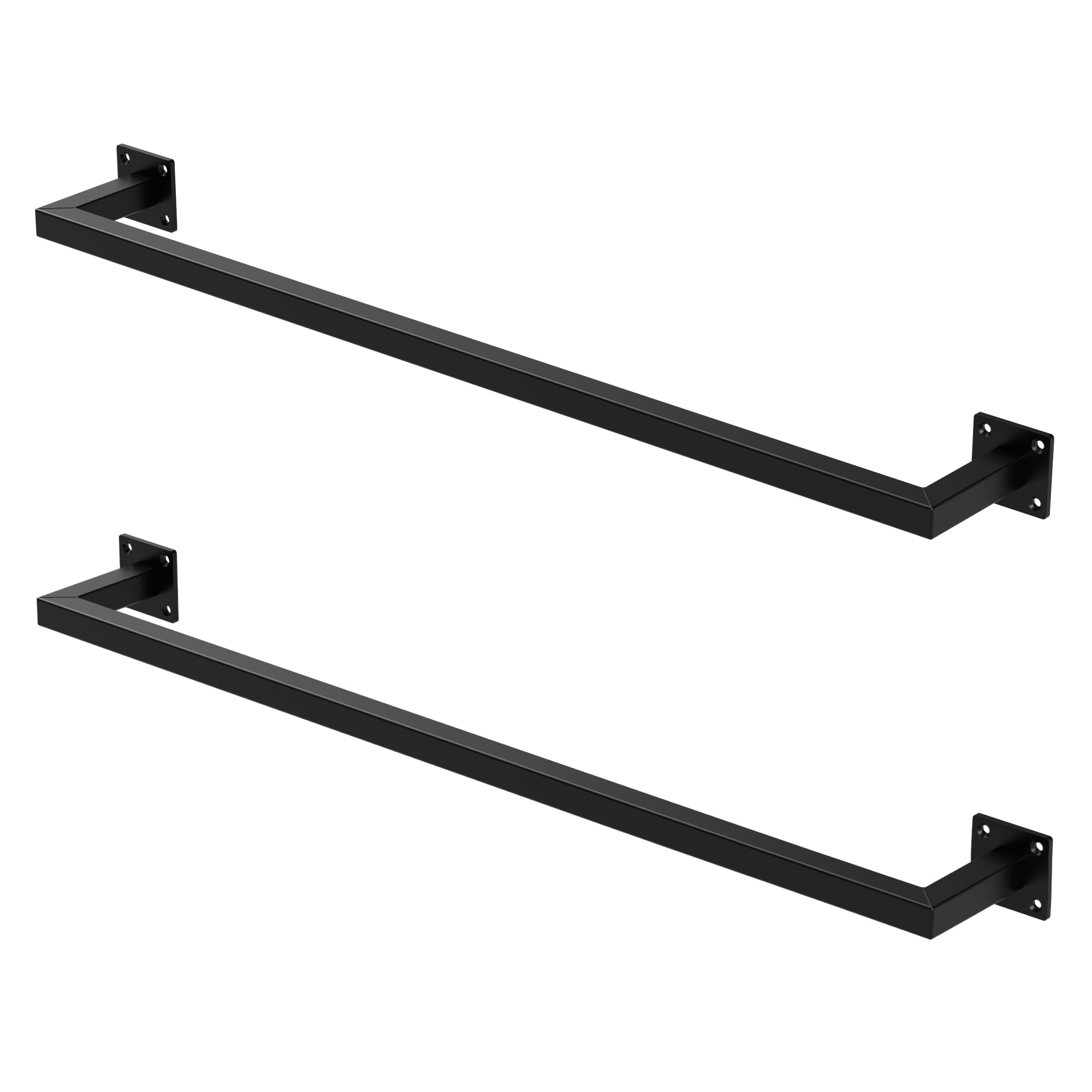
Depending on the available space and desired use, various options are available. A wall-mounted clothes rail utilizes the existing wall space and is particularly well-suited for smaller rooms. Freestanding clothes racks, on the other hand, can be flexibly positioned and can also be used in a dressing room.
- Wall-mounted clothes rails
- Freestanding clothes racks
- Wardrobe stands
- Wardrobes with hooks
- Clothes rails with shelves
- Combined wardrobe solutions
How far should a clothes rail be from the wall?
For a wall-mounted clothes rail, there should be enough distance between the rail and the wall so that garments can be hung comfortably. As a guideline, a distance of about 20 to 25 cm between the wall and the center of the rail is sensible. However, the exact distance also depends on the clothing and the construction of the holder. Coats or thick jackets require more space than thin shirts or blouses.
What height should a clothes rail for the wardrobe have?
The optimal height depends on which garments are to be hung. For regular outerwear such as shirts, blouses, or jackets, a height of approximately 150 to 170 cm can be sensible. For long dresses or coats, more space should be planned below. In a dressing room, it may also be worthwhile to install several clothing rods at different heights.
What diameter do clothing rods have?
The diameter of a clothing rod depends on the material, construction, and load capacity. Clothing rods often range from approximately 20 to 30 mm. A larger diameter can provide greater stability with the appropriate material. However, not only the diameter is crucial, but also the length of the rod and the type of mounting.
Clothing rod or clothing rack – which is better?
A clothing rod and a clothing rack each have their own advantages. A solution that is permanently mounted to the wall uses the available space particularly efficiently and can therefore be interesting for small rooms. In contrast, a clothing rack does not require permanent wall mounting and can be moved flexibly.
- Wall-mounted clothing rod: space-saving and permanently installed
- Clothing rack: flexible and freely positionable
- Wardrobe: often combines rods, hooks, and shelves
Wardrobe for the hallway
A wardrobe in the hallway should not only look good but also be practical. Jackets, coats, bags, and scarves should be quickly accessible without making the entrance area feel cluttered. For narrow hallways, wall solutions can be particularly useful as they require little floor space and keep the passage clear.
Clothing rod for bedroom and dressing room
Even in the bedroom, an open clothing rod can be a practical alternative to a classic wardrobe. Clothing remains visible and can be quickly accessed. Especially in dressing rooms, several rods can be combined. An open solution can also appear lighter and airier than a large closed wardrobe.
What should you pay attention to when buying a clothing rod?
Not every clothing rod is suitable for every load. In addition to the design, material, length, and mounting should therefore be considered.
- Material and workmanship
- Diameter of the rod
- Length
- maximum load capacity
- Type of wall mounting
- required space
- Design
- Application area
- Assembly effort
- Price-performance ratio
Which materials are suitable for clothes rails?
Clothes rails are often made of metal, as this material allows for a stable and durable construction. Depending on the design, wood or material combinations can also be used. Metal is particularly suitable for modern and industrial settings, while wood can create a warmer and more natural look.
Clothes rails and wardrobes from ML-Design
With ML-Design, different areas of the home can be organized practically and stylishly. The suitable clothes rails and wardrobes can be used in the hallway, bedroom, or dressing room, depending on the model. Whether a space-saving wall solution or a flexibly positioned clothes rack – what matters is that the chosen wardrobe fits the available space and the amount of clothing to be stored.
Conclusion: The right wardrobe for more order
A good wardrobe solution should provide enough space for clothing, be stable, and harmoniously fit into the room. While a wall-mounted clothes rail is particularly space-saving, a freestanding clothes rack offers more flexibility. Pay attention to dimensions, distance to the wall, height, diameter, load capacity, and mounting when purchasing.
Discover the clothes rails and wardrobes from ML-Design now and create stylish, easily accessible storage space for the hallway, bedroom, or dressing room.




Clothes rails & wardrobes – Store clothes practically and stylishly
A well-planned wardrobe ensures order and makes clothes quickly accessible. Whether in the hallway, bedroom, or a separate dressing room – with the right clothes rail, jackets, coats, shirts, dresses, and other garments can be hung up space-saving.
There are different solutions for various living situations. A wall-mounted clothes rail is suitable for smaller rooms, while a freestanding clothes rack can be flexibly positioned and relocated as needed. Classic wardrobes with additional shelves or hooks also offer a combination of hanging options and storage space.
The clothes rails and wardrobes from ML-Design combine practical storage with different designs, making them functional as well as part of the decor.
What types of clothes rails and wardrobes are there?
Depending on the available space and desired use, various options are available. A wall-mounted clothes rail utilizes the existing wall space and is particularly well-suited for smaller rooms. Freestanding clothes racks, on the other hand, can be flexibly positioned and can also be used in a dressing room.
- Wall-mounted clothes rails
- Freestanding clothes racks
- Wardrobe stands
- Wardrobes with hooks
- Clothes rails with shelves
- Combined wardrobe solutions
How far should a clothes rail be from the wall?
For a wall-mounted clothes rail, there should be enough distance between the rail and the wall so that garments can be hung comfortably. As a guideline, a distance of about 20 to 25 cm between the wall and the center of the rail is sensible. However, the exact distance also depends on the clothing and the construction of the holder. Coats or thick jackets require more space than thin shirts or blouses.
What height should a clothes rail for the wardrobe have?
The optimal height depends on which garments are to be hung. For regular outerwear such as shirts, blouses, or jackets, a height of approximately 150 to 170 cm can be sensible. For long dresses or coats, more space should be planned below. In a dressing room, it may also be worthwhile to install several clothing rods at different heights.
What diameter do clothing rods have?
The diameter of a clothing rod depends on the material, construction, and load capacity. Clothing rods often range from approximately 20 to 30 mm. A larger diameter can provide greater stability with the appropriate material. However, not only the diameter is crucial, but also the length of the rod and the type of mounting.
Clothing rod or clothing rack – which is better?
A clothing rod and a clothing rack each have their own advantages. A solution that is permanently mounted to the wall uses the available space particularly efficiently and can therefore be interesting for small rooms. In contrast, a clothing rack does not require permanent wall mounting and can be moved flexibly.
- Wall-mounted clothing rod: space-saving and permanently installed
- Clothing rack: flexible and freely positionable
- Wardrobe: often combines rods, hooks, and shelves
Wardrobe for the hallway
A wardrobe in the hallway should not only look good but also be practical. Jackets, coats, bags, and scarves should be quickly accessible without making the entrance area feel cluttered. For narrow hallways, wall solutions can be particularly useful as they require little floor space and keep the passage clear.
Clothing rod for bedroom and dressing room
Even in the bedroom, an open clothing rod can be a practical alternative to a classic wardrobe. Clothing remains visible and can be quickly accessed. Especially in dressing rooms, several rods can be combined. An open solution can also appear lighter and airier than a large closed wardrobe.
What should you pay attention to when buying a clothing rod?
Not every clothing rod is suitable for every load. In addition to the design, material, length, and mounting should therefore be considered.
- Material and workmanship
- Diameter of the rod
- Length
- maximum load capacity
- Type of wall mounting
- required space
- Design
- Application area
- Assembly effort
- Price-performance ratio
Which materials are suitable for clothes rails?
Clothes rails are often made of metal, as this material allows for a stable and durable construction. Depending on the design, wood or material combinations can also be used. Metal is particularly suitable for modern and industrial settings, while wood can create a warmer and more natural look.
Clothes rails and wardrobes from ML-Design
With ML-Design, different areas of the home can be organized practically and stylishly. The suitable clothes rails and wardrobes can be used in the hallway, bedroom, or dressing room, depending on the model. Whether a space-saving wall solution or a flexibly positioned clothes rack – what matters is that the chosen wardrobe fits the available space and the amount of clothing to be stored.
Conclusion: The right wardrobe for more order
A good wardrobe solution should provide enough space for clothing, be stable, and harmoniously fit into the room. While a wall-mounted clothes rail is particularly space-saving, a freestanding clothes rack offers more flexibility. Pay attention to dimensions, distance to the wall, height, diameter, load capacity, and mounting when purchasing.
Discover the clothes rails and wardrobes from ML-Design now and create stylish, easily accessible storage space for the hallway, bedroom, or dressing room.
Find even more among our top sellers




Popular categories


